
How to Pack Fragile Items So Nothing Breaks

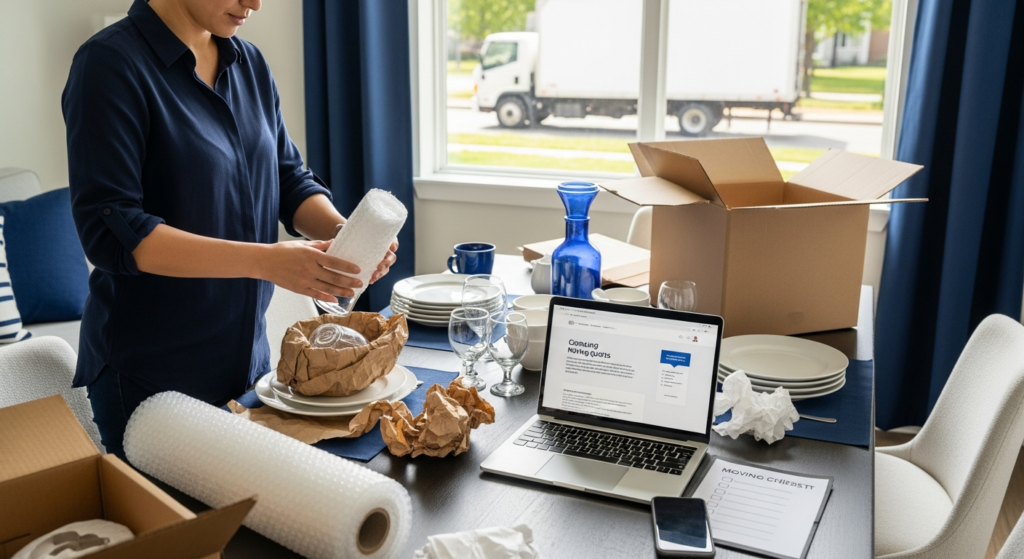
Packing breakable belongings is often the most stressful part of any move. One wrong box, a loose plate, or a rushed tape job can mean opening a carton in your new home to find shattered glass, cracked dishes, or broken décor. Knowing exactly how to pack fragile items is just as important as choosing the right moving company.
This guide walks you step by step through how to pack fragile items so nothing breaks: choosing supplies, packing dishes for moving, protecting glassware, labeling, and coordinating with your movers. You will also see how planning and comparing movers through a quote marketplace like Moving US Van Lines can make it easier to match your packing plan with the right level of moving help.
Whether you are packing everything yourself, hiring professional packers, or doing a hybrid move, the way you protect fragile items when moving will directly affect replacement costs, stress levels, and how quickly you can settle into your new place. With a practical strategy, the right materials, and a realistic timeline, you can greatly reduce the chance of damage.
Use this as a field guide and checklist: you will learn exactly how to pack dishes for moving, how to handle glassware and décor, what to keep with you on moving day, and how to coordinate your packing choices with your moving quotes so there are no surprises.
Key takeaways
- Use sturdy, right-size boxes, plenty of paper or bubble wrap, and pack heavier items on the bottom with snug cushioning on all sides.
- Pack dishes vertically like records, individually wrapped, and fill every gap with padding to prevent shifting inside the box.
- For glassware and stemware, wrap stems and rims carefully, use cell dividers when possible, and avoid stacking heavy items on those boxes.
- Create a simple room-by-room inventory and clearly label each fragile box with handling instructions and destination room.
- Decide early whether you will self-pack, hire partial packing, or full-service packing and compare movers based on those needs.
- Ask movers detailed questions about how they handle fragile items, valuation coverage, and any packing requirements that affect coverage.
- Keep irreplaceable items, essential electronics, medications, and key documents with you instead of loading them on the moving truck.
Why careful fragile packing matters for your move
When people think about moving, they often focus on the big logistics: dates, trucks, and costs. But damage during a move is more likely to come from poor packing than from anything else. Learning how to pack fragile items safely is essentially the last line of defense between your belongings and the bumps, vibrations, and stacking that happen in transit.
Every move involves three risk points for breakables:
- Carrying items through doors, hallways, stairwells, and elevators
- Stacking boxes in the truck or container
- Driving vibrations, sudden stops, and turns on the road
Good movers can minimize risk through careful loading and driving, but if items are loosely packed, under-padded, or placed in the wrong kind of box, there is only so much they can do. That is why professional moving companies put such a strong emphasis on packing methods, especially for dishes, glassware, artwork, and electronics.
From a planning perspective, your fragile packing choices affect:
- Cost: More boxes and packing materials can cost more upfront but often cost less than replacing broken items later.
- Time: Solid packing takes time. If you are moving on a tight timeline, you may want to compare packing and moving companies for help.
- Insurance/valuation: Some movers have specific requirements for coverage on self-packed fragile boxes vs. professionally packed boxes.
- Stress level: Opening intact, well-labeled boxes in your new home makes unpacking faster and less frustrating.
When you compare movers through a platform like Moving US Van Lines, it helps to already have a sense of your fragile inventory and whether you want full or partial packing service. This way, the quotes you receive reflect realistic labor time and packing materials for your actual needs.
Essential supplies for packing fragile items
Before you start figuring out how to pack fragile items box by box, gather the right tools. Using the correct materials is just as important as the technique.
Core materials you should have on hand
- Small and medium moving boxes: These are best for heavy breakables like dishes and books. Large boxes are more likely to collapse or be overpacked with weight.
- Dish barrels or dish packs (optional but helpful): Extra-strong boxes designed specifically for dishes and glassware.
- Double-wall boxes for heavy or valuable items: Provide more crush resistance.
- Packing paper (unprinted newsprint): Your primary material for wrapping dishes, glasses, and small decor.
- Bubble wrap: Best for particularly delicate items, electronics, and glass decor.
- Foam pouches or sleeves: Convenient for glasses, mugs, and plates if you prefer a quicker method.
- Cell dividers: Cardboard inserts that create compartments for glasses and bottles.
- Stretch wrap: To secure bundles or prevent cabinet doors and drawers from opening.
- Packing tape and tape dispenser: High-quality tape makes a difference; cheap tape can peel or pop during transit.
- Permanent markers: For clear labeling on multiple sides of each box.
- Fragile or «This Side Up» labels: Optional but useful for quick identification.
Nice-to-have extras that make the job easier
- Corner protectors: For framed art, mirrors, and some electronics.
- Foam sheets or pads: For layering between dishes or picture frames.
- Microfiber cloths: For wrapping screens and sensitive surfaces.
- Painter\’s tape: For light taping that will not damage surfaces.
Investing in good packing materials is almost always cheaper than replacing multiple sets of dishes, glasses, or electronics. If you decide you would prefer professional packing help, you can compare packing and moving companies that bring their own materials and expertise.
Supply planning table
Use this reference to estimate how many supplies you might need for a typical household. Adjust up or down based on your own inventory.
| Home size | Packing paper (approx.) | Fragile-focused boxes |
|---|---|---|
| Studio / 1 bedroom | 10–20 lbs | 4–6 small, 4–6 medium, 1–2 dish packs |
| 2–3 bedroom home | 25–40 lbs | 8–12 small, 8–12 medium, 3–4 dish packs |
| 4+ bedroom home | 40–60+ lbs | 12–20 small, 12–20 medium, 4–6 dish packs |
How to prepare before you pack any fragile items
The biggest mistake people make when they start researching how to pack fragile items is jumping straight into boxing things up without a plan. A short preparation step will save you hours later and make your quotes from movers more accurate.
1. Declutter fragile items you do not truly need
Fragile items tend to be heavy and time-consuming to pack. Before you wrap anything, do a quick sort:
- Chipped or mismatched dishes
- Old glassware you rarely use
- Outdated vases or décor stored in closets
- Extra mugs, jars, or baking dishes
Anything you know you do not want in your new home should be donated, recycled, or discarded now. Fewer items mean fewer boxes, less risk, and potentially lower moving costs.
2. Create a simple fragile inventory
Walk room by room and make a quick list of your fragile categories, such as:
- Kitchen dishes, glassware, and bakeware
- Barware, wine glasses, and bottles
- TVs, monitors, and small electronics
- Mirrors, framed artwork, and photos
- Decorative glass, ceramics, and collectibles
Having this list will help you:
- Buy the right amount of packing material
- Allocate packing time realistically
- Explain your needs accurately when you request moving quotes
3. Decide who is packing what
Many people choose a hybrid approach: they self-pack most items but hire professional packers for their most fragile possessions. When you compare movers, you can ask for:
- Full-service packing (mover packs everything)
- Partial packing focused on fragile items and hard rooms like the kitchen
- Labor-only help to load your own pre-packed boxes
Sample wording when comparing quotes:
«I will pack most items myself but would like professional packing for dishes, glassware, artwork, and my TV. Can you include a separate line item for fragile packing?»
Step-by-step guide to packing dishes for moving
Dishes are some of the heaviest and most frequently damaged items on any move. Learning the correct method for packing dishes for moving is one of the most valuable skills you can have for a safe relocation.
1. Prepare the box
- Choose a small or medium box (or a dish pack).
- Reinforce the bottom with 2–3 layers of tape in both directions.
- Crumple packing paper and create a 2–3 inch cushion on the bottom.
2. Wrap plates individually
- Lay a plate on a stack of packing paper.
- Fold a corner of the paper over the plate, then roll and tuck until fully covered.
- For extra protection, stack 2–3 plates of similar size, wrapping them together in an outer layer of paper.
Always pack plates on their edge like records, not flat. This greatly reduces the chance of breakage if the box is bumped.
3. Pack bowls and serving dishes
- Fill hollow spaces (like salad bowls) with crumpled paper first.
- Wrap each bowl individually, then bundle 2–3 with more paper if sizes are similar.
- Place heavier bowls at the bottom of the box, on their sides or bases, cushioned by paper.
4. Layer and fill gaps
- Create layers: heavy plates and bowls at the bottom, lighter pieces on top.
- Between each layer, add a full sheet of crumpled paper or foam.
- Fill all side gaps so nothing can shift when you shake the box gently.
5. Seal, label, and stack correctly
- Close the box, shake gently; if you feel movement, reopen and add padding.
- Seal with tape, then label: «Kitchen – Dishes – FRAGILE – This Side Up» on multiple sides.
- In the truck, dishes should be stacked upright; do not place heavy boxes on top.
Dish packing technique comparison
| Technique | Pros | Cons |
|---|---|---|
| Individually wrapped in dish pack box | Highest protection; ideal for long-distance and interstate moves | Uses more materials; takes more time |
| Bundled stacks wrapped together | Faster packing; moderate protection for short local moves | Less padded between plates; not ideal for very fragile china |
| Foam sleeves between plates | Quick, clean, reusable material; good shock absorption | Higher material cost; still needs extra side padding |
If you do not have the time or energy to do meticulous dish packing, you can explore partial packing options with movers. When you compare best local movers or best interstate movers, ask which companies offer kitchen-only or fragile-only packing services.
How to pack glassware, stemware, and mugs
Glassware and stemware are some of the trickiest items to protect fragile items moving. Their long stems and thin rims are vulnerable, but with careful wrapping, they can travel safely.
1. Use cell dividers when possible
Cell dividers create individual compartments in your box, which keeps glasses from clinking against each other. They are especially useful for:
- Wine glasses
- Champagne flutes
- Highball and lowball glasses
- Mugs and specialty drinkware
2. Wrap glassware step-by-step
- Stuff each glass with crumpled paper to support the interior.
- Wrap around the outside with packing paper, starting at the stem and working up.
- For very delicate stems, add a layer of bubble wrap around the stem and base.
- Secure with a small piece of tape if needed (not on delicate finishes like gold rims).
3. Pack into the box
- Prepare the box with a padded bottom layer of crumpled paper.
- Insert cell dividers if using them.
- Place each wrapped glass upright in its compartment.
- Fill all top and side gaps with paper so nothing moves.
4. Packing mugs
Mugs are sturdy but heavy. To pack them:
- Wrap each mug individually with packing paper.
- Place them upright in rows; you can double-stack if there is enough padding.
- Place heavier mugs on the bottom, lighter on top.
Sample labeling idea:
«Kitchen – Glassware & Mugs – FRAGILE – Do Not Stack Heavy»
Glassware risk and protection table
| Item type | Risk level if poorly packed | Recommended protection |
|---|---|---|
| Regular drinking glasses | Medium | Packing paper + cell dividers, snug fill |
| Wine glasses & flutes | High (thin stems & rims) | Paper inside & outside + bubble wrap on stems + cell dividers |
| Mugs and steins | Low to medium (heavier weight) | Individual paper wraps + strong small box with bottom cushioning |
Packing artwork, mirrors, and home decor
Framed art, mirrors, and decorative pieces often have both monetary and sentimental value. They are also at high risk if leaned loose in a truck. Here is how to pack these fragile items for moving safely.
1. Framed art and mirrors
- Use specialty picture or mirror boxes when possible.
- Apply corner protectors to the frame edges.
- Cover the glass with painter\’s tape in an X pattern to help hold shards if it breaks.
- Wrap the entire piece in packing paper, then in bubble wrap.
- Slide into the box vertically, not flat, with padding around all sides.
2. Sculptures and irregular decor
- Wrap delicate parts (arms, handles, protrusions) in bubble wrap first.
- Wrap the full piece in multiple layers of packing paper.
- Place it in a small or medium box with 3–4 inches of cushioning on all sides.
- Fill all voids with tightly packed paper.
3. Lamps
- Remove the shade and bulb.
- Wrap the base in paper and/or bubble wrap, then box it separately.
- Wrap the shade lightly in paper (no creasing), then place in a box slightly larger than the shade, with very light cushioning so it does not get crushed.
When you talk to movers, mention any oversized or high-value artwork. If you are comparing commercial moving companies or art-heavy residential moves, ask about custom crating or specialty handling.
Packing electronics and fragile tech safely
Electronics are fragile in a different way: they are sensitive to shocks, static, and moisture. When thinking about how to pack fragile items like TVs and computers, protection is as much about orientation and cushioning as it is about wrapping.
1. Use original boxes when available
Original packaging is designed to protect specific devices and is usually the best option. If you still have it for your TV, monitor, or gaming system, use it.
2. If you do not have original boxes
- Choose a box slightly larger than the device.
- Line the bottom with a thick layer of crumpled paper or foam.
- Wrap the device in a soft cloth or foam sheet first, then bubble wrap.
- Stand flat screens upright in the box with cushioning along all edges.
3. Prepare electronics for transport
- Back up important data before the move.
- Take pictures of cable setups for easier reassembly.
- Remove batteries from remotes and accessories.
- Label cords in small bags and store them in the same box as the device when possible.
4. Special handling notes for movers
If you are hiring movers, let them know which boxes contain electronics and how they are labeled. For long-distance or interstate moves, ask whether they recommend additional crating for very large TVs or monitors.
Example question to ask movers:
«How do you handle large TVs and monitors on interstate moves, and are there any packing requirements to ensure coverage?»
Labeling, organization, and inventory tips
You can pack perfectly and still struggle at your new home if boxes are not labeled clearly. Good labeling also helps movers load fragile items in safer positions.
How to label fragile boxes
- Label at least two opposite sides and the top of each box.
- Include room, contents, and a clear «FRAGILE» note.
- Use arrows or «This Side Up» if orientation matters.
- Use a consistent color for fragile labels (for example, red marker for fragile-only boxes).
Create a simple box inventory
You do not need a complex spreadsheet, though it can help. A simple handwritten or phone note list works:
- Box #12 – Kitchen – Dishes, everyday set – FRAGILE
- Box #21 – Living room – Glassware & bar set – FRAGILE
- Box #34 – Bedroom – Jewelry box & framed photos – FRAGILE
This is especially helpful for long-distance moves and for comparing valuation or coverage options with movers. It also helps you quickly confirm that all fragile boxes have arrived at your destination.
Coordinate labeling with movers
When your movers arrive, you can quickly walk them through your most fragile boxes:
- Point out boxes with «FRAGILE» labels.
- Explain any that contain extremely delicate or irreplaceable items.
- Ask where they plan to stack these in the truck.
This short conversation, combined with good packing, significantly reduces risk.
Cost factors and packing service options
Learning how to pack fragile items helps you decide whether you want to invest more of your own time or hire professional help. Packing choices affect both your moving cost and risk profile.
Main cost drivers for fragile packing
- Volume and weight of dishes, glassware, and décor
- Number and size of TVs and electronics
- Amount and type of packing materials you use
- Whether you choose self-pack, partial pack, or full-service packing
- Local vs. long-distance vs. interstate or international move
Typical fragile packing options
| Option | What it includes | Best for |
|---|---|---|
| Self-pack everything | You buy supplies and pack all fragile and non-fragile items. | Budget-conscious moves with enough time and DIY comfort. |
| Partial fragile-only packing | Movers pack dishes, glassware, artwork, and electronics. | Busy households who want pros handling breakables. |
| Full-service packing | Movers pack everything, bring all supplies, and may unpack. | Time-crunched moves, corporate relocations, or complex homes. |
How packing choices affect moving quotes
When you compare movers, be consistent about what you want each company to include. If one company quotes full packing and another assumes self-pack, it is not a fair comparison.
Example way to describe your needs when requesting quotes:
«I will pack clothing and most non-breakable items. I want professional packing for all dishes, glassware, artwork, and two TVs. Please itemize packing labor and materials so I can compare options.»
Using a quote comparison platform like Moving US Van Lines helps you submit this information once and review options side by side, including different packing levels. You can even compare residential moving companies that specialize in handling fragile household goods.
Fragile packing and quote comparison timeline
| Timing before move | Fragile-related tasks | How it helps quotes |
|---|---|---|
| 6–8 weeks | Declutter fragile items and create an inventory. | Gives movers a clear picture of the scope of packing. |
| 4–6 weeks | Request quotes and decide on self vs. partial vs. full packing. | Allows apples-to-apples comparison of services and pricing. |
| 1–3 weeks | Gather supplies or confirm packing date with your mover. | Reduces last-minute add-ons that can raise costs. |
Common fragile packing mistakes and how to avoid them
Knowing how to pack fragile items also means knowing what not to do. These are mistakes movers see all the time—and ways you can avoid them.
Top fragile packing mistakes
- Using large boxes for heavy dishes and glassware
- Leaving empty space in boxes so items can shift
- Stacking plates flat rather than on their edges
- Mixing heavy and very light fragile items in the same box
- Under-taping the bottom of boxes
- Not labeling boxes as fragile or indicating «This Side Up»
Mistake and countermeasure table
| Common mistake | Why it is risky | How to fix it |
|---|---|---|
| Using large boxes for fragile items | Box may be overloaded and collapse or be dropped. | Use small/medium boxes and keep weight reasonable. |
| Loose packing with empty space | Items move and collide during transport, causing breaks. | Fill all gaps with crumpled paper or soft padding. |
| No fragile labels or instructions | Movers may stack heavy boxes on top by accident. | Label all sides clearly with «FRAGILE» and room name. |
If you know you are prone to rushing or underestimating the time packing takes, plan earlier or consider hiring pros for at least some of the fragile work. You can compare movers by move type to find companies that fit your timeline and budget.
How Moving US Van Lines helps with fragile moves
Choosing the right mover is closely tied to how well your fragile items travel. Some moving companies specialize in careful residential packing, while others are built around fast, labor-only moves. A quote comparison platform like Moving US Van Lines helps you see these differences clearly before you book.
On Moving US Van Lines, you can compare licensed and insured movers that offer:
- Local and long-distance residential moves
- Interstate relocations where packing quality really matters
- Commercial moving services for offices with sensitive equipment
- Full-service and partial packing, including fragile-only options
You submit your move details once, including notes about fragile items and packing needs, and then review movers side by side. That makes it easier to match what you have learned about how to pack fragile items with the right combination of services, timing, and budget.
Helpful Moving US Van Lines resources
These resources help you quickly narrow down movers that align with your fragile packing preferences, whether you want hands-on control or maximum professional help.
What to keep with you on moving day
Even if you know how to pack fragile items perfectly, there are some things you should not put on the truck at all. Keep these with you in your car or carry-on if you are flying.
Irreplaceable or sensitive items
- Important documents (IDs, passports, financial records)
- Jewelry and small valuables
- Heirlooms and high-sentimental-value items
- Portable hard drives with backups and essential data
Essential electronics and supplies
- Laptop, tablet, and phone chargers
- Basic tools (screwdriver, box cutter, tape)
- One small set of dishes or disposable plates for the first night
- Medications and basic first-aid items
First-night fragile «open first» box
Pack one small box of carefully wrapped essentials that you will want immediately in your new home:
- 2–4 plates and bowls (well wrapped)
- 2–4 glasses or durable cups
- 1 small pot or pan if you plan to cook
- Dish soap and a small towel
Label this box clearly as «Open First – Kitchen Essentials» and consider transporting it yourself. This way, you are not forced to unpack multiple fragile boxes late at night just to have a glass of water or meal.
Frequently asked questions
How early should I start packing fragile items before a move?
Ideally, start packing fragile items 2–3 weeks before your move date, beginning with rarely used dishes, décor, and seasonal items. This gives you time to pack carefully without rushing and lets you adjust if you realize you need more supplies or help.
What is the best type of box for packing dishes for moving?
Small or medium boxes, or dedicated dish pack boxes, are best for dishes. They support weight better than large boxes and reduce the risk of overpacking. Combine them with plenty of packing paper and a cushioned base layer for safe transport.
How do I pack plates so they do not break during the move?
Wrap each plate in packing paper, then stand plates on their edges like records in a row, not stacked flat. Add thick padding at the bottom and between layers, and fill all gaps. This spreads impact along the stronger edge rather than the flat surface.
How should I pack glassware and wine glasses?
Stuff glasses with paper, wrap the outside, pay extra attention to stems and rims, and place them upright in boxes with cell dividers whenever possible. Use plenty of cushioning on the bottom and between items, and avoid stacking heavy boxes on top.
Is bubble wrap or packing paper better for protecting fragile items?
Packing paper is versatile and efficient for most dishes and glassware, while bubble wrap is best for especially delicate items, electronics, and irregular decor. Many people use both: paper for basic wrapping and bubble wrap for extra cushioning where needed.
Can movers refuse to cover damage to self-packed fragile boxes?
Many movers have specific rules for valuation coverage on self-packed boxes, especially if they were clearly under-packed. It is important to ask how they handle coverage for self-packed fragile items and whether professional packing is recommended for high-value pieces.
Should I hire professional packers just for my fragile items?
Hiring packers for only fragile items can be a good middle-ground option if you want to save time and reduce risk without paying for full-service packing. When you compare movers, ask for a line item specifically for fragile-only packing so you can weigh cost vs. benefit.
How can I tell if a mover is good at handling fragile items?
Ask movers detailed questions about their packing process, training, and materials for fragile items. Request quotes that separately list packing labor and supplies, and consider companies that highlight packing services or have experience with items similar to yours.
What should I do if I run out of time to pack fragile items myself?
If you are short on time, pause and reassess rather than rushing. Contact your mover to see if they can add last-minute packing, or use a comparison platform like Moving US Van Lines to explore movers with available packing crews. It is often better to pay for help than risk breakage from rushed packing.
How can Moving US Van Lines help me with fragile packing decisions?
Moving US Van Lines lets you compare licensed movers that offer different levels of packing help. You can describe your fragile inventory and whether you need full or partial packing, then review quotes side by side to see which movers fit your needs, timing, and budget.
Sources referenced in this guide
Professional packing and moving practices referenced here are based on common industry standards, written moving estimates, and service agreements used by many licensed household goods carriers. For interstate moves, customers can also review general guidance from Federal Motor Carrier Safety Administration consumer guidance and U.S. Department of Transportation moving guidance. Local building management rules, state transportation or consumer protection agencies, and carrier tariffs, valuation options, and bills of lading also influence how fragile items should be packed and handled.
Always review the specific paperwork, coverage options, and packing requirements provided by your chosen mover to understand how your fragile items will be protected on your particular move.
This guide is general moving information, not legal, insurance, or regulatory advice. Moving requirements, pricing, access rules, availability, and coverage options may vary by location, move type, mover, building rules, and service agreement.
When you are ready to turn your fragile packing plan into a booked move, you can compare licensed movers, request moving quotes, compare movers by move type, and review top moving company guides on Moving US Van Lines. With a clear understanding of how to pack fragile items and the right mover by your side, you will be in a strong position for a smoother, safer relocation.
Lead moving analyst covering long-distance carriers and interstate pricing.
More from the blog
Compare movers by service
Where to find us
Compare quotes from licensed movers
Submit your move details once and receive custom quotes — all at no cost.