
How to Unpack Efficiently After a Move

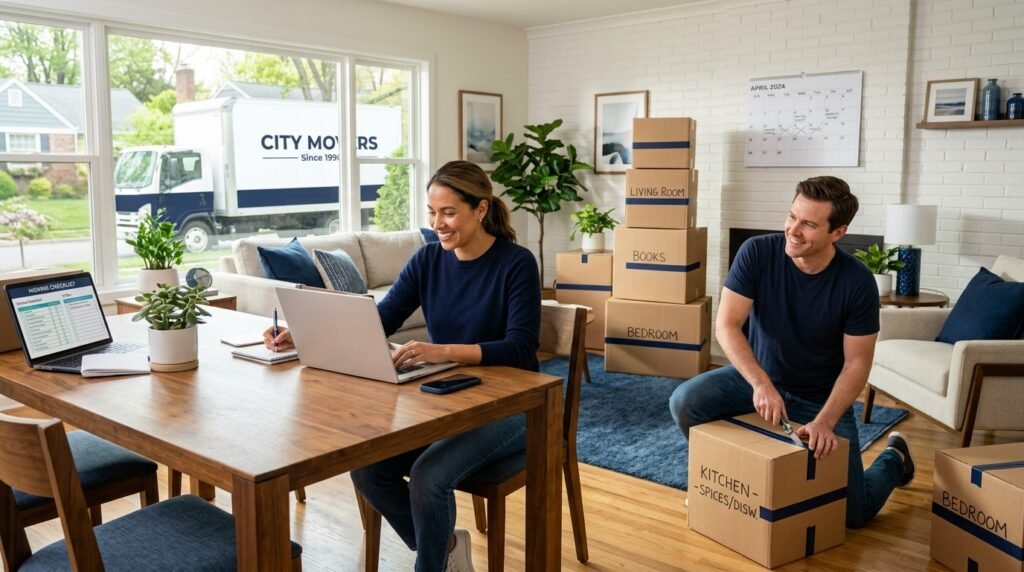
Once the last box is off the truck and the movers drive away, a new challenge starts: turning a maze of boxes into a livable, organized home. Knowing how to unpack after moving is just as important as packing well. A clear unpacking plan helps you avoid weeks of clutter, misplaced essentials, and unnecessary stress.
This guide walks you step-by-step through unpacking efficiently, from what to do the first hour in your new place to the final box you break down. You will learn how to set priorities, follow an unpacking checklist, organize room by room, and stay on track with realistic timelines.
Because Moving US Van Lines is a moving quote comparison platform, we also highlight where good planning with your movers makes unpacking easier. Choosing the right moving company, labeling system, and packing services up front can save you hours once you arrive.
Whether you want to unpack fast after a move or take a slower, more methodical approach, this practical field guide will help you turn your new space into a fully functioning home without feeling overwhelmed.
Key takeaways
- Start with essentials: bathrooms, beds, and a basic kitchen setup should be unpacked in the first 24 hours so you can function comfortably.
- Use an unpacking checklist and room-by-room plan to avoid opening random boxes and creating extra mess.
- Label quality and inventory lists made during packing dramatically speed up how to unpack after moving and reduce lost items.
- Plan realistic timelines: most households need several days for basic setup and a few weeks for full organization.
- Choosing the right mover, service level, and packing options can include unpacking help and furniture placement that save you time.
- Set aside a donation and trash zone from day one so you do not move clutter into long-term storage in your new home.
- Use Moving US Van Lines to compare movers, services, and packing options that align with your unpacking needs and schedule.
Why an unpacking plan matters just as much as packing
Most people spend weeks planning how to pack but barely think about how to unpack after moving. The result: crowded hallways, mystery boxes, duplicate purchases of items you cannot find, and a lingering feeling that you are «still not moved in» months later.
A structured unpacking plan helps you:
- Restore normal routines faster (sleep, work, school, meals).
- Prevent damage by unpacking fragile and temperature-sensitive items safely.
- Save money by avoiding buying replacements for items that are simply buried in boxes.
- Minimize stress for kids and pets by quickly setting up familiar spaces.
- Spot missing or damaged items in time to follow your mover’s claims process.
If you are still in the planning stage, this is also the time to think about which moving companies can support the unpacking process. Through Moving US Van Lines, you can compare licensed movers that offer different levels of packing, labeling, and unpacking services. Those decisions upfront will directly impact how organized and fast your unpacking experience will be.
What to do before you start unpacking
Before you open a single box, a bit of preparation inside your new home will make everything smoother. Think of this as setting the stage for efficient unpacking.
1. Walk-through and basic cleaning
Do a quick walk-through of your new home before the movers arrive or before you begin unpacking:
- Check that utilities (electric, water, gas, internet) are on.
- Wipe down kitchen counters, bathroom surfaces, and shelves.
- Check closets and cabinets for dust and debris.
- Note any pre-existing damage and take photos for your records.
It is far easier to wipe shelves and floors before they are filled with your belongings.
2. Confirm your room layout
Decide where major furniture will go before movers unload, if possible. This affects where boxes should be stacked and how easily you can unpack:
- Sketch a quick layout for each room (bed placement, sofa, TV, desk).
- Share these with your movers so they can place furniture correctly.
- Mark doors or walls with painter’s tape notes such as «Desk here» or «Kids’ beds on this wall».
The more accurately your furniture is placed on day one, the easier it is to unpack the right boxes in the right places.
3. Designate an unpacking command center
Create a small zone that will function as your unpacking control center. This may be a corner of the kitchen or dining area with:
- Your printed move inventory (if you made one during packing).
- A notepad or tablet for tracking tasks.
- Box cutter, scissors, tape, permanent markers, and trash bags.
- Snacks and water so you are not constantly searching the kitchen.
Sample note to yourself: «Command center on kitchen island; keep tools here until the last box is done.»
4. Prioritize rooms and essentials
Before you get lost in non-essentials, decide the order in which you will tackle rooms. A common priority order is:
- Bathroom(s)
- Bedrooms (beds and basic clothing)
- Kitchen (basic setup)
- Kids’ rooms / nursery (if applicable)
- Living room
- Home office
- Garage, basement, storage spaces
Write your order down. When you feel tempted to jump to decor, remind yourself of the list. This simple discipline is one of the most powerful unpacking tips for staying organized.
5. Review your labeled boxes and inventory
If you or your movers labeled boxes with both room and contents (for example, «Kitchen – Pots & Pans»), quickly scan stacks of boxes to confirm they are in the correct rooms. If not, re-direct them now instead of lugging boxes later.
If you created an inventory spreadsheet or photos during packing, keep it open at your unpacking command center. It will help you verify that everything arrived and track down specific items.
Unpacking in the first 24 hours: survival setup
The first day should focus on comfort and safety, not perfection. Your goal is to create a functional «survival setup» so everyone can sleep, eat, and use the bathroom comfortably.
Unpacking checklist for the first day
- Locate and open your «first night» or essentials box.
- Set up beds (frames, mattresses, basic bedding).
- Stock and set up at least one full bathroom.
- Unpack basic kitchen items (plates, cups, utensils, one pan and pot, coffee/tea setup).
- Find key work/school items (laptop, chargers, medications, kids’ comfort items).
- Set up pet feeding and sleeping areas.
If you labeled an essentials box, mark it as «Open first» on all sides before moving day. Ask your movers to load it last so it comes off the truck first.
Bathroom setup (30–60 minutes)
Bathrooms are usually quick wins that make a big difference in comfort.
- Unpack shower curtain, bathmats, towels, and toiletries.
- Place toilet paper, hand soap, and basic cleaning supplies.
- Set up a small caddy to keep everyday toiletries handy.
Bedroom setup (60–120 minutes per room)
Focus on being able to sleep well the first night:
- Assemble bed frames and place mattresses.
- Unpack sheets, pillows, and blankets.
- Unpack at least two changes of clothes per person.
- Set up a simple bedside area (lamp, alarm, phone charger).
You can organize closets and dressers later; right now, you just need basics out of suitcases or clothing boxes.
Basic kitchen setup (1–2 hours)
To unpack fast after a move without wasting time later, set up a «minimum-viable kitchen» first:
- Unpack a few plates, bowls, cups, and eating utensils.
- Locate coffee maker/kettle, toaster, and a basic pan/pot.
- Find dish soap, sponge, kitchen towel, and trash bags.
- Identify a simple snack area and a place for daily-use dishes.
Leave specialized appliances and baking gear for later days.
Safety and access check
While unpacking on day one, make sure:
- Exits, hallways, and stairs remain clear of boxes.
- Smoke detectors are working.
- Emergency items (first-aid kit, fire extinguisher) are accessible.
- Valuables and important documents are stored in a safe place.
Room-by-room unpacking strategy
Once the first-night essentials are handled, you can move into structured room-by-room unpacking. Here is how to unpack after moving in a logical way that keeps momentum.
1. Kitchen: the productivity engine of the home
The kitchen affects your budget and daily rhythm more than almost any room. Many families choose to fully unpack the kitchen in the first 1–3 days.
- Start with cabinets and drawer layout: decide where dishes, glasses, utensils, pots, and pantry items will go.
- Unpack by zones: for example, «coffee station», «everyday dishes», «cooking utensils», «baking».
- Place rarely used items in higher cabinets or harder-to-reach areas.
- Recycle packing paper and boxes as you go to keep counters clear.
Example approach: «Today I will finish the dishware, glasses, and utensil drawers; tomorrow I will tackle pantry and cookware.»
2. Bedrooms and closets
With beds set up, the next step is functional clothing and storage.
- Assign each family member a manageable daily goal (for example, «unpack two clothing boxes each»).
- Group clothing by type (work, casual, workout, seasonal) as you unpack.
- Use this moment to purge items that no longer fit or are worn out.
- Decide on a simple closet system now (hangers by type, color grouping, or category).
Keeping a donation box in each room during unpacking encourages you not to keep items you do not actually want in your new space.
3. Living room and shared spaces
Living rooms are easy to delay because they are not as essential as bedrooms or bathrooms, but a functional gathering space can make your home feel settled.
- Position major furniture (sofa, media console, bookcases) before unpacking decor.
- Connect internet and TV equipment early if you use streaming for news or kids’ shows.
- Unpack a limited number of decor items at first; leave some wall space blank until you live in the space for a bit.
- Create a designated spot for remotes, game controllers, and chargers.
4. Kids’ rooms and nursery
For families, getting kids settled helps reduce stress for everyone. Prioritize:
- Beds, favorite bedding, and a few beloved toys or books.
- Basic clothing and school supplies.
- A small play zone so children feel they have «their space».
Involve kids in age-appropriate ways, such as choosing where their books go or arranging stuffed animals.
5. Home office
If you work from home or need a student study area, plan dedicated time for the office:
- Assemble the desk and chair first.
- Set up computer, monitor, and internet connection.
- Unpack essential office supplies and files.
- Delay less urgent items (old paperwork, decor) until critical work tools are ready.
6. Garage, basement, and storage areas
These spaces often become «box graveyards». To avoid that:
- Decide in advance what these areas are for: tools, seasonal decor, sports gear, bulk storage, etc.
- Unpack safety items first (tools, ladders, winter gear if needed for weather).
- Use shelving and clear bins to avoid stacking towers of mystery boxes.
- Label bins clearly on multiple sides.
Sample unpacking timeline and priorities
Every household is different, but a realistic timeline helps you avoid burnout and still unpack fast after a move where it matters.
| Timeframe | Primary Goals | Key Tasks |
|---|---|---|
| First 24 hours | Basic comfort and safety | Set up beds, bathrooms, essentials box, basic kitchen, pet areas. |
| Days 2–3 | Core functionality | Finish kitchen, unpack most clothing, set up kids’ rooms and work basics. |
| Days 4–7 | Daily routines | Organize living areas, office, and frequently used storage; hang curtains if needed. |
| Weeks 2–4 | Full setup and decor | Tackle remaining boxes, decor, seasonal storage, and fine-tune organization. |
If you have a large home, a busy work schedule, or small children, expect the timeline to stretch. That is normal. The key is to follow an unpacking checklist and adjust, not to chase an unrealistic standard of having every box gone in two days.
Organizing, labeling, and inventory tips that speed up unpacking
A lot of efficient unpacking actually happens before moving day. Still, even if your packing process was rushed, you can apply a few organizing strategies as you unpack.
1. Use a three-zone system in each room
In every room you unpack, create three temporary zones:
- «Keep and place» – items you know belong in this room.
- «Decide later» – items you are unsure about but do not want to lose.
- «Donate/Trash» – items you are ready to part with.
By sorting as you go, you avoid stuffing closets with items you will later want to purge.
2. Track box numbers and missing items
If your boxes are numbered, keep a simple log as you unpack. This is especially helpful for interstate or long-distance moves where claims windows apply.
| Tracking Item | Why It Matters | How to Use It While Unpacking |
|---|---|---|
| Box numbers | Helps confirm all boxes arrived. | Check off each number as boxes are opened. |
| Room labels | Ensures boxes are in the correct room. | Move any mis-placed boxes early. |
| Content notes | Speeds up finding important items. | Open high-priority content boxes first. |
If you discover missing or clearly damaged items, refer to your mover’s written estimate and bill of lading for instructions on reporting issues. Time can be limited, especially on interstate moves.
3. Break down boxes as you go
One of the most overlooked unpacking tips is dealing with empty boxes immediately:
- Flatten boxes as soon as they are empty.
- Collect packing paper in a box or large bag for recycling.
- Keep a small stack of boxes only if you know you will reuse them soon.
Getting boxes out of the way reduces visual clutter and helps you see progress, which makes it easier to keep going.
4. Label new storage clearly
As you establish new closets, shelves, and bins, label them clearly. This helps everyone in the household quickly learn where things belong, which keeps your new systems from falling apart.
Example labels: «Kids’ art supplies», «Winter accessories», «Outdoor tools – small».
How your choice of movers affects how to unpack after moving
Many people search for how to unpack after moving only after they have already chosen a mover. Yet the kind of moving company you hire and the services you select can dramatically change your unpacking workload.
Comparing service levels that affect unpacking
| Service Level | Impact on Unpacking | Who It Suits Best |
|---|---|---|
| Self-pack, standard move | You handle all packing and most unpacking; mover loads and unloads. | Budget-conscious, hands-on customers with time to pack and unpack. |
| Partial packing service | Movers pack fragile or select items; can be easier to unpack those boxes. | Customers who want help with dishes, glassware, art, or breakables. |
| Full packing and unpacking | Movers pack, label, move, and can unpack into cabinets and closets. | Busy households, long-distance moves, or people with limited mobility. |
Through Moving US Van Lines, you can compare packing and moving companies that offer different combinations of these services. If you know in advance that you want help setting up the kitchen or reassembling furniture, look for movers that provide those options.
Local vs. interstate movers and unpacking needs
Your move type also affects how you plan to unpack:
- Local moves: Often allow flexible schedules. You might move some items yourself and unpack over several days.
- Interstate or long-distance moves: Usually require more careful inventory tracking, timelines for claims, and efficient unpacking so you can verify that everything arrived as expected.
You can use Moving US Van Lines to review best local movers and best interstate movers to find companies whose service styles match your unpacking preferences.
Residential vs. commercial unpacking
Unpacking looks different for a home compared with an office or business:
- Residential moves: Focus on comfort, routines, and personal items.
- Commercial moves: Focus on minimizing downtime, setting up workstations, and protecting equipment.
If you are planning a business relocation, you may want commercial moving companies that offer evening or weekend unpacking to reduce disruption.
Common unpacking mistakes and how to avoid them
Knowing what not to do is as important as having a checklist. Here are frequent unpacking pitfalls and how to sidestep them.
| Common Mistake | Why It Is a Problem | Better Approach |
|---|---|---|
| Opening boxes randomly | Creates clutter and makes it hard to find essentials. | Follow a room-by-room unpacking checklist and priority order. |
| Ignoring labeling during packing | Slows down unpacking and increases stress. | If still packing, label by room and contents; if already moved, group boxes by room now. |
| Keeping every item | Fills storage with clutter you do not need. | Use a donation/trash zone in each room. |
| Skipping breaks and meals | Leads to burnout and rushed decisions. | Plan short breaks every few hours and simple meals. |
- Do not try to decorate and fully organize every room at once. Get the basics in place first.
- Avoid stacking unopened boxes in storage areas «for later» without any plan; schedule specific days to tackle them.
- Do not ignore children’s and pets’ needs while you unpack; a little structure for them reduces interruptions for you.
- Resist the urge to buy lots of new containers until you see what storage you actually need in the new home.
Unpacking with kids, pets, and special items
Family needs and special belongings can complicate how to unpack after moving. With a few adjustments, you can keep everyone safer and calmer.
Unpacking with kids
- Pack a kids’ essentials box with favorite toys, bedtime items, and a few snacks.
- Set up their beds and a small play area early to create stability.
- Give older kids simple unpacking jobs, like shelving books or organizing stuffed animals.
- Keep hazardous items (cleaners, tools, glass) out of reach while boxes are open.
Unpacking with pets
- Designate a quiet room where pets can stay while movers are active.
- Set up food, water, litter box, and bedding as soon as possible.
- Keep pet leashes, carriers, and vet records accessible.
- Gradually let pets explore the new home once it is safer and less crowded with boxes.
Handling fragile and high-value items
Certain belongings deserve extra attention during unpacking:
- Electronics: Unpack and reassemble carefully to avoid damage; keep manuals or quick online instructions handy.
- Art and mirrors: Do not lean heavy framed items where they could fall; plan stud locations or secure hanging systems before mounting.
- Important documents: Store passports, tax records, and legal documents in a secure, fire-resistant location.
- Heirlooms and collectibles: Unpack on a stable surface with plenty of space and good lighting.
When to hire unpacking help and how to compare options
Sometimes, unpacking is more than you want to take on alone, especially after a long-distance or complex move. Many moving companies offer unpacking assistance, from placing boxes in the right rooms all the way to fully setting up your kitchen and closets.
Signs you might benefit from unpacking help
- Very limited time between move-in and returning to work.
- Moving with infants, toddlers, or elderly family members.
- Large home or many years’ worth of belongings.
- Mobility limitations or injuries.
- You simply prefer to outsource more of the work.
Types of unpacking services to compare
| Unpacking Service Type | What It Includes | Considerations |
|---|---|---|
| Basic box opening | Movers open boxes and remove packing materials; you put items away. | Reduces box clutter quickly; still requires your time for organizing. |
| Full placement service | Movers unpack and place items in cabinets/closets based on your guidance. | Fastest option but requires clear instructions and some follow-up tweaking. |
| Hybrid approach | Movers focus on key rooms (kitchen, closets) and you handle the rest. | Balances cost and convenience; align on priorities before move day. |
To find movers that offer the right balance of packing and unpacking support, you can use Moving US Van Lines to compare licensed movers and request moving quotes that reflect your preferred service level.
What to keep with you on moving day (so unpacking is easier)
Efficient unpacking starts with having the right items within reach during and immediately after the move. A well-planned essentials kit means you are not digging through boxes for toothbrushes or phone chargers at midnight.
- Medications for all family members and pets.
- Important documents (IDs, closing papers, lease, insurance documents).
- Basic toiletries and a change of clothes per person.
- Simple tools: box cutter, screwdriver, tape, flashlight.
- Chargers, power strip, and a small extension cord.
- Snacks, bottled water, and paper plates/cups for the first day.
- Kids’ comfort items and pet supplies.
Keep these items in a suitcase or clearly marked box that travels with you, not in the moving truck. When planning how to unpack after moving, this one step saves you from many first-night headaches.
Helpful Moving US Van Lines resources
How Moving US Van Lines can help with easier unpacking
A smooth unpacking experience begins long before you cut open the first box. It starts with choosing movers who understand your priorities, label carefully, protect your items, and offer the right balance of packing and unpacking help.
Moving US Van Lines is a moving quote comparison platform that helps you submit your move details once and review options from licensed and insured movers side by side. That can include:
- Local, interstate, long-distance, and commercial movers.
- Residential moving companies familiar with apartment, condo, and single-family home moves.
- Movers that offer partial or full packing and unpacking services.
- Specialty services such as handling fragile items, large furniture, or office equipment.
By comparing movers through a single marketplace instead of researching one by one, you can focus more energy on your unpacking plan and less on logistics. You can compare movers by move type, review top moving company guides, and request moving quotes that match your schedule and service needs.
Example question to ask movers in quotes: «Do you offer unpacking services for the kitchen and closets, and how is that priced?»
Frequently asked questions
How long should it take to unpack after moving?
Most households need a few days to set up essentials and 2–4 weeks to fully unpack and organize, depending on home size, work schedules, and whether you hire unpacking help.
What should I unpack first after moving?
Start with your essentials box, beds, bathrooms, and a basic kitchen setup. Once comfort and safety are covered, move to clothing, kids’ rooms, and work essentials.
How can I unpack faster after a move without feeling overwhelmed?
Use a prioritized unpacking checklist, focus on one room at a time, set small daily goals, and break down boxes as you go to see progress and reduce visual clutter.
Is it worth paying movers for unpacking services?
It can be worth it if you have limited time, a large home, mobility challenges, or want a faster setup. Compare quotes and service details before deciding what fits your budget and needs.
How do I stay organized while unpacking?
Create a command center, maintain a donation/trash zone, label new storage areas, and keep an inventory or checklist of boxes opened and remaining tasks.
What if I cannot find something important after the move?
Check your inventory or box list, look in likely rooms, and review box labels. If you suspect an item is missing, consult your mover’s paperwork promptly about reporting lost items.
How do I unpack the kitchen efficiently?
Decide cabinet layouts first, then unpack by zones: everyday dishes and glasses, utensils, cooking tools, pantry staples, and small appliances. Save specialty items for later.
How do I make unpacking easier for kids?
Set up their beds and favorite items early, involve them in simple decisions, maintain routines when possible, and keep hazardous materials out of reach while boxes are open.
What should I do with all the empty boxes and packing paper?
Break down boxes as you empty them, collect packing paper in larger boxes or bags, and recycle or offer them to neighbors, friends, or local groups when possible.
How early should I plan my unpacking strategy?
Ideally, start thinking about how to unpack after moving during the planning stage. Coordinate labeling, inventory, and any packing/unpacking services with your chosen mover.
Sources referenced in this guide
Parts of this guide are informed by general consumer moving guidance from the Federal Motor Carrier Safety Administration, U.S. Department of Transportation moving resources, and recommendations commonly found in state transportation and consumer protection agency publications. It also reflects best practices drawn from written moving estimates, bills of lading, and carrier tariffs related to packing, valuation, and claims processes, as well as typical building management move-in and move-out requirements.
This guide is general moving information, not legal, insurance, or regulatory advice. Moving requirements, pricing, access rules, availability, and coverage options may vary by location, move type, mover, building rules, and service agreement.
Lead moving analyst covering long-distance carriers and interstate pricing.
More from the blog
Compare movers by service
Where to find us
Compare quotes from licensed movers
Submit your move details once and receive custom quotes — all at no cost.