
How to Leave Your Old Home: Cleaning and Deposit Checklist

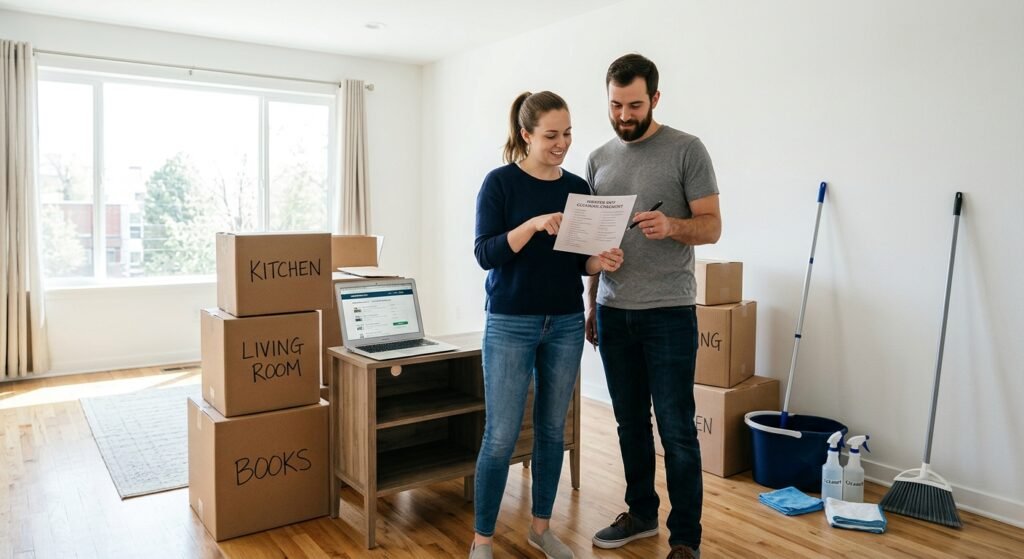
Leaving an old home is about more than just getting your boxes out the door. Landlords, buyers, and property managers expect the place to be clean, damage documented, and keys returned properly. If you skip the details, you risk losing part (or all) of your security deposit and dealing with stressful last‑minute disputes.
This guide gives you a complete move out cleaning checklist plus a practical deposit strategy you can follow room by room. You will also see how planning cleaning around your moving schedule and hiring the right movers can save time, protect your belongings, and make it easier to leave your old place in great shape.
Whether you are moving across town or across the country, your move out cleaning checklist should work together with your moving quote comparison, packing plan, and move‑day timeline. When you know what needs to be cleaned, repaired, and documented, it is much easier to decide which services you want movers to handle and which tasks you will keep for yourself.
Use this guide as a practical field manual: you will find checklists, tables, timelines, and examples you can adapt to your own home. As you plan your relocation, you can also use Moving US Van Lines to compare licensed movers, coordinate dates, and make sure the cleaning and moving pieces fit together smoothly.
Key takeaways
- A clear move out cleaning checklist protects your security deposit and helps you avoid rushed last‑day cleaning.
- Reviewing your lease, photos, and move‑in condition report is just as important as scrubbing surfaces when it comes to getting your deposit back.
- Coordinating professional movers and cleaning on a smart timeline keeps you from cleaning around boxes or heavy furniture.
- Documenting the property with photos and written notes before and after cleaning reduces the chance of disagreements later.
- Some tasks (like deep appliance cleaning) are often overlooked but are common reasons for partial deposit deductions.
- Using a licensed mover and, when needed, a professional cleaning crew can be more cost‑effective than lost wages and a reduced deposit.
- Moving US Van Lines helps you compare movers so your moving day, cleaning schedule, and deposit strategy all align.
Why move-out cleaning matters for your deposit
For renters, getting the security deposit back is usually tied directly to how clean and undamaged the property is when you hand over the keys. For sellers, leaving a clean, orderly home helps closings go more smoothly and avoids last‑minute buyer complaints.
Most landlords expect the rental to be returned in substantially the same condition as when you moved in, minus normal wear and tear. That typically includes:
- All personal items removed
- All trash and unwanted items hauled away
- Surfaces wiped down and reasonably clean
- Floors vacuumed or mopped
- Appliances clean and functional
- Bathrooms sanitized
- No new damage beyond regular use
Without a detailed move out cleaning checklist, it is easy to miss small but important details: the inside of the oven, behind the fridge, dusty blinds, or soap scum on the shower doors. These small misses can add up to cleaning charges taken out of your deposit.
A strong checklist also helps you coordinate tasks with anyone helping you move. For example, you might schedule movers to empty the home in the morning, then bring in a cleaning crew (or do it yourself) in the afternoon while the rooms are cleared.
Understanding your lease and deposit rules
Before you scrub a single surface, review what you actually agreed to in your lease or sales contract. This is one of the most important steps in any plan for getting your deposit back.
Key documents to review
- Lease or rental agreement
- Move‑in inspection report (if you completed one)
- Any written move‑out instructions from your landlord or property manager
- Emails or messages about move‑out expectations and dates
Look for clauses that mention:
- Cleaning requirements: “broom swept,” “professionally cleaned carpet,” “clean appliances,” etc.
- Deposit deductions: what landlords can charge for, such as excessive dirt, pet stains, or damage.
- Notice periods and inspections: how to schedule a final walk‑through and when.
- Repairs vs. wear and tear: some leases try to pass normal wear and tear onto the tenant; note what yours says.
Sample message when asking for written move‑out instructions:
“Hi [Name], we are scheduled to move out on [date]. Could you please confirm your move‑out cleaning expectations and whether you require a professional carpet cleaning receipt or specific vendors? I want to make sure we leave the unit in the condition you expect.”
Aligning your checklist with your lease
Once you understand the expectations, you can customize your move out checklist to match. For example:
- If your lease requires professional carpet cleaning, add “Book carpet cleaner” and “Keep receipt.”
- If pets were allowed, add “Pet odor check” and “Spot treat pet stains.”
- If the property has special finishes (like stone counters or hardwood floors), add tasks to clean them with the right products.
Timeline: coordinating cleaning with your move
The best move out cleaning checklist works with your moving timeline, not against it. Trying to clean thoroughly while movers are carrying boxes in and out is inefficient and frustrating. A simple timeline keeps everything organized.
| Timeframe | Key tasks | Why it matters |
|---|---|---|
| 4–6 weeks before move | Review lease, gather supplies, declutter, compare movers, plan junk removal. | Reduces what you have to move and clean; sets expectations early. |
| 2–3 weeks before move | Deep clean low‑traffic areas, wash windows, clean closets, schedule carpet or pro cleaning if needed. | Gets major jobs done before the final rush. |
| Move week | Pack final items, wipe surfaces as rooms empty, clean appliances, bathrooms, and floors. | Ensures the home is in move‑out condition when keys are returned. |
| Move‑out day | Final sweep, spot check, photos, walk‑through with landlord if possible. | Documents the condition and helps protect your deposit. |
If you have a large home, tight schedule, or long‑distance move, it is especially important to schedule your moving company early. Using a quote comparison tool such as Moving US Van Lines can help you line up dates, then layer your cleaning tasks around the confirmed move date.
Pre‑cleaning declutter checklist
Decluttering before you start deep cleaning makes the whole process faster and more effective.
- Sort items into donate, sell, recycle, and trash piles.
- Remove items from closets, attic, basement, and storage nooks.
- Schedule bulk pickup or junk removal if needed.
- Drop donations at least a week before your move.
- Set aside cleaning supplies and tools you will keep with you, not on the moving truck.
Whole-home move out cleaning checklist
This whole‑home list covers tasks that usually apply to any room. You can combine it with the room‑by‑room sections later in this guide.
General cleaning tasks
- Remove all personal items, furniture, and decor unless otherwise agreed in writing.
- Take down nails, screws, and wall hooks (unless landlord says to leave them).
- Patch small nail holes if your lease allows or expects it.
- Dust ceilings, corners, and light fixtures.
- Wipe baseboards throughout the home.
- Clean interior doors and door knobs.
- Clean light switches and outlet covers (dry cloth or lightly damp).
- Wash windows, windowsills, and tracks as accessible.
- Clean blinds and window coverings as required by your lease.
- Vacuum and mop all floors after movers have finished.
Supplies to gather early
- All‑purpose cleaner and disinfectant
- Glass cleaner
- Degreaser (for kitchen and stove areas)
- Toilet bowl cleaner and bathroom cleaner
- Magic eraser‑type sponges for scuffs
- Microfiber cloths and sponges
- Mop, broom, dustpan, and vacuum
- Trash bags and contractor bags
- Rubber gloves and optional knee pads
Tip: pack a dedicated «last box» with cleaning supplies, paper towels, a few basic tools, and extra trash bags. Load this box last, or keep it in your car so it is available even after the moving truck leaves.
Room-by-room cleaning before moving out
Every room has specific trouble spots that landlords and buyers notice. The following move out cleaning checklist breaks it down by area so you do not overlook anything important.
Kitchen move out checklist
- Empty all cabinets and drawers; wipe inside and outside.
- Clean cabinet doors, especially around handles where grease accumulates.
- Degrease backsplash and walls near the stove.
- Clean the stovetop, knobs, and control panel.
- Clean inside the oven (including racks) and remove any burned food.
- Wipe and sanitize countertops.
- Clean microwave inside and outside (including top and vents).
- Empty and clean the refrigerator and freezer; wipe shelves, drawers, doors, and handles.
- Pull out the fridge if possible to sweep and mop behind and underneath.
- Clean the dishwasher filter and run a short cleaning cycle if your lease expects it.
- Wipe sink, faucet, and handles; clear any food debris from the drain.
- Empty and clean any pantry or food storage areas.
- Sweep and mop floors, paying attention to corners and under toe‑kicks.
Bathroom move out checklist
- Scrub toilet bowl inside and out; clean base and behind the toilet.
- Clean sink, faucet, and countertop.
- Scrub shower or tub, including walls, floors, and shelves.
- Remove soap scum and hard water stains as much as possible.
- Clean glass shower doors and tracks.
- Wipe mirrors and any glass surfaces.
- Clean and dust light fixtures and vents.
- Remove personal items from medicine cabinet; wipe shelves.
- Clean inside and outside of bathroom cabinets and drawers.
- Sweep and mop floors, including behind the door and toilet.
Bedrooms and living areas
- Remove all furniture, decor, and personal items.
- Dust ceiling fans and light fixtures.
- Clean windows, sills, and tracks as accessible.
- Dust and wipe baseboards and moldings.
- Patch small nail holes if appropriate and touch up minor scuffs where allowed.
- Vacuum carpets and rugs thoroughly.
- For hardwood or laminate, sweep and mop with the correct cleaner.
- Wipe closet shelves and rods; vacuum or sweep closet floors.
Entryways, hallways, and utility areas
- Clean entry doors (inside and outside surfaces if accessible).
- Wipe down railings and banisters.
- Dust and clean air vents and returns.
- Clean laundry area: washer, dryer surfaces, lint trap, and surrounding floor.
- Remove any items stored in mechanical rooms (water heater, furnace) if allowed.
- Check for cobwebs and dust in corners and ceilings.
Outdoor spaces (if applicable)
- Remove all personal items from balconies, patios, and yards.
- Sweep patios, balconies, and porches.
- Remove trash, cigarette butts, and pet waste.
- Close and secure any outdoor storage areas.
Damage, repairs, and normal wear and tear
Cleaning and repairs are related but not identical. Your move out checklist should separate:
- Cleaning tasks you can do yourself
- Minor repairs you may reasonably handle
- Damage you should document and discuss with your landlord
Many states limit what landlords can charge for by distinguishing normal wear and tear from damage. While the legal definitions vary, the general idea is:
- Wear and tear: small nail holes, light carpet wear on high‑traffic routes, slightly faded paint.
- Damage: large wall holes, broken doors, pet‑chewed trim, large carpet stains, broken appliances caused by misuse.
| Issue | Usually wear and tear? | Usually tenant damage? |
|---|---|---|
| Small nail holes from hanging pictures | Often yes | Not typically |
| Large holes or wall dents | No | Often yes |
| Carpet worn in high‑traffic paths | Often yes | Not typically |
| Large pet stains or burns in carpet | No | Often yes |
| Faded or slightly scuffed paint after years | Often yes | Not typically |
Note: for specific legal definitions and rights, review your state's landlord‑tenant guidance or consult a qualified professional. This guide focuses on practical cleaning and preparation steps, not legal advice.
Damage and repair checklist
- Walk through each room and list any damage beyond dirt or dust.
- Decide what you can safely repair (small nail holes, loose screws, minor scuffs) vs. what should be left and documented.
- Take clear, dated photos of each issue before and after any repairs.
- Keep receipts for supplies or professional repairs.
- If major damage exists, consider discussing it with your landlord ahead of time.
Documentation and communication with your landlord
Even a perfect move out cleaning checklist cannot guarantee you will avoid disputes. What you can do is create clear documentation that shows you made a good‑faith effort to return the property in clean, undamaged condition.
Photo and video documentation
- Take “before” photos if any areas were already worn or damaged when you moved in (if you still have them).
- On move‑out day, take “after” photos of every room, including floors, closets, appliances, bathrooms, and outdoor areas.
- Take close‑up photos of any borderline issues (e.g., existing stains, old damage).
- Store the photos in a folder labeled with the property address and date.
Walk‑through and key return
- Ask if the landlord or property manager can do a walk‑through with you on move‑out day.
- Bring a printed copy of your move out checklist and any receipts (cleaning, carpet cleaning, repairs).
- Note any concerns they raise; if possible, address small items on the spot (like a missed cobweb or smudge).
- Return keys as instructed (drop box, office, or in person) and note the date and time.
Sample message confirming your move‑out:
“Hi [Name], this confirms that we have completed our move‑out and returned the keys for [address] on [date] at [time]. We have cleaned the unit thoroughly and documented the condition with photos. Please let us know if you have any questions as you complete the final inspection.”
DIY vs professional move-out cleaning
Some people prefer to clean everything themselves; others hire professional cleaners for part or all of the job. The right answer depends on your schedule, budget, and the size and condition of the home.
| Option | Pros | Cons |
|---|---|---|
| DIY cleaning | Lower out‑of‑pocket cost; full control over products and priorities; flexible timing. | Time‑consuming; physically demanding; easier to miss details when you are exhausted from moving. |
| Professional move‑out cleaning | Saves time and energy; often more thorough; provides receipts to show landlord. | Additional cost; need to schedule ahead; quality varies by company. |
| Hybrid approach | You handle basic cleaning; pros handle deep cleaning or carpets; balances cost and convenience. | Requires coordination; still some time investment on your side. |
If your lease requires professional carpet cleaning or a move‑out cleaning receipt, hiring a reputable cleaning service can be part of your broader move out and moving budget. Factor this in when you compare moving quotes and set your total move budget.
Questions to ask a cleaning service
- Do you offer a specific move‑out or “empty home” cleaning package?
- What is included in the service (appliances, inside cabinets, baseboards, etc.)?
- Do you bring your own supplies and equipment?
- How long will the cleaning take, and how far in advance should it be scheduled?
- Do you provide an itemized receipt I can share with my landlord?
Coordinating movers and cleaning
Your move out cleaning checklist is easier to complete when the home is mostly or completely empty. The challenge is arranging movers and cleaners (or your DIY efforts) so they do not overlap in a stressful way.
Typical coordination pattern
- Day before move: Finish packing, declutter remaining areas, pre‑clean low‑traffic spaces.
- Move‑out morning: Movers load furniture and boxes; you can wipe down emptied rooms as they clear.
- Move‑out afternoon: Deep clean kitchen, bathrooms, and floors in the now‑empty home.
- Next day (if needed): Final check and any professional services like carpet cleaning.
When you compare moving companies using a service like Moving US Van Lines, pay attention to pickup and delivery windows. A precise arrival time can make it easier to schedule cleaners or plan your own cleaning blocks.
What movers can and cannot do
Most moving companies focus on packing, loading, transporting, and unloading your belongings. They typically do not perform deep cleaning of your old home, but some full‑service providers offer add‑ons such as:
- Basic broom sweep after loading
- Debris or packing material removal
- Connecting you with trusted third‑party cleaning services
When you request moving quotes, ask movers which of these services they can include or coordinate. This will help you decide how much of the move out checklist you will handle yourself.
| Task | Usually handled by | Notes |
|---|---|---|
| Packing boxes | You or full‑service movers | Some movers offer full or partial packing; ask during quote comparison. |
| Removing trash and unwanted items | You, junk removal, or add‑on service | Movers usually transport only items you are keeping. |
| Deep cleaning kitchen and bathrooms | You or cleaning service | Not typically part of moving services. |
| Broom‑sweeping floors after loading | Movers (sometimes) or you | Clarify in advance if movers will do a light sweep. |
Common move-out mistakes to avoid
Even well‑intentioned renters and homeowners make mistakes that cost them time, stress, and money. Use this section as a quick “what not to do” guide.
Frequent mistakes
- Leaving cleaning until after a long moving day, when you are exhausted.
- Forgetting to clean appliances inside and out.
- Ignoring blinds, window tracks, and baseboards.
- Leaving items in closets, cabinets, or storage areas.
- Not documenting the condition with photos.
- Failing to read the lease’s specific deposit and cleaning clauses.
- Not scheduling movers early, which can compress your cleaning window.
| Mistake | Why it hurts your deposit | Better approach |
|---|---|---|
| Cleaning after movers leave late at night | You are more likely to miss details or run out of time. | Clean in stages; leave only quick tasks for the final evening. |
| Not reading the lease's cleaning clauses | You may skip required services like carpet cleaning. | Review the lease 4–6 weeks before moving and adjust your checklist. |
| Leaving trash or unwanted furniture behind | Landlord may charge hauling and disposal fees. | Schedule junk removal or bulk pickup in advance. |
| Skipping photo documentation | Harder to dispute unfair cleaning or damage claims. | Take clear, dated photos of every room after cleaning. |
Integrating your move out checklist with mover selection
Some of these mistakes happen because people underestimate how long packing and moving will take. When you compare moving quotes, consider:
- Whether you want movers to pack some or all of your belongings, freeing you to focus on cleaning.
- How long your move will realistically take (including stairs, elevators, and long carries).
- Whether you will need more than one day between moving out and turning in keys.
Using a quote comparison platform like Moving US Van Lines lets you weigh cost against time saved, which can directly affect how much energy you have left for cleaning before moving out.
Helpful Moving US Van Lines resources
How Moving US Van Lines fits into your move-out plan
Your move out cleaning checklist is only one piece of the moving puzzle. Choosing the right movers can free up time and energy for cleaning, repair touch‑ups, and deposit documentation.
Moving US Van Lines is a moving quote comparison platform designed to help you:
- Compare licensed and insured movers side by side.
- Submit your move details once instead of repeating them with multiple companies.
- Review different service levels, from basic loading and transport to full packing.
- Consider add‑on services like packing help, which can give you more time to focus on cleaning before moving out.
Because different move types have different needs, you can also explore options by move category, such as comparing movers by move type or reviewing top moving company guides to see which providers tend to fit moves similar to yours.
For example:
- If you are moving across town, you might compare best local movers with availability that matches your building's elevator reservation window.
- If you are relocating to another state, you might review best interstate movers that can coordinate pickup and delivery dates around your lease end and new lease start.
- If you are moving a home office or small business, you may look for commercial moving companies that can minimize downtime.
- If packing is what overwhelms you, packing and moving companies can handle boxing while you concentrate on detailed cleaning.
By aligning your moving services with your move out checklist, you improve your chances of getting your deposit back and reduce last‑minute scrambling.
Frequently asked questions
How clean does my rental need to be to get my deposit back?
Most landlords expect the unit to be returned in a reasonably clean, move‑in ready condition: no trash or belongings left behind, surfaces wiped, bathrooms and kitchen cleaned, and floors vacuumed or mopped. Your lease and any written move‑out instructions should guide the exact standard.
When should I start my move out cleaning checklist?
Ideally, start 4–6 weeks before your move by decluttering, reviewing your lease, and tackling low‑traffic areas. Use the final week for deep cleaning the kitchen, bathrooms, and floors after most belongings are packed or moved.
Do I need to hire professional cleaners to get my deposit back?
Not always. Some leases require professional services for carpets or entire move‑out cleanings; in that case, you should follow those terms. Otherwise, you can often handle cleaning yourself as long as you follow a thorough move out cleaning checklist and document the results.
What should I clean first when moving out?
Start with areas that will not be heavily used as you finish packing: high shelves, spare rooms, closets, and windows. Save the kitchen, bathrooms, and floors for last, ideally after furniture and boxes are removed.
How can I prove I left the place clean?
Take clear, dated photos or video of each room after cleaning, including appliances, cabinets, closets, and bathrooms. Keep copies of any cleaning or repair receipts. If possible, request a walk‑through with your landlord and ask them to note any concerns at that time.
What if my landlord claims cleaning charges I disagree with?
Start by reviewing your lease, your photos, and the itemized statement showing cleaning charges. Politely respond in writing, explain your perspective, and attach documentation. If you still cannot resolve the issue, some states offer dispute or small‑claims options; check your state's guidance or speak with a qualified professional for advice.
Can movers help with cleaning tasks?
Most movers focus on loading, transporting, and unloading your belongings. Some may offer light broom sweeping or debris removal, and some full‑service providers coordinate with third‑party cleaners. When you compare movers, ask what they do and do not include so you can plan your cleaning before moving out.
What should I keep with me on move‑out day?
Keep a basic cleaning kit, photo documentation (phone), important documents, keys, a small toolkit, and any items you need immediately at your new home. Do not send your cleaning supplies or keys on the moving truck.
How does using a moving quote comparison site help with cleaning?
Comparing movers through a platform like Moving US Van Lines helps you secure reliable moving dates and service levels. Knowing your schedule and how much help you will have with packing and moving makes it easier to plan and complete your move out cleaning checklist without rushing.
Is it worth paying for packing services so I can focus on cleaning?
For many people, yes. If your schedule is tight or you are moving a large home, having professionals handle packing can free up hours for cleaning, repairs, and deposit documentation. When you request moving quotes, ask for pricing with and without packing so you can weigh the difference.
Sources referenced in this guide
When planning how to leave your old home, it can be helpful to review general guidance from several authoritative resources and documents, including:
- Federal Motor Carrier Safety Administration consumer guidance about interstate moving responsibilities
- U.S. Department of Transportation moving guidance for consumers
- State transportation and consumer protection agency materials regarding landlord‑tenant responsibilities
- Your lease agreement, move‑in condition report, and any written move‑out instructions
- Written moving estimates, service agreements, and bills of lading from your chosen movers
Use these documents alongside this move out cleaning checklist to build a complete plan that covers both the condition of your old home and the logistics of your move.
This guide is general moving information, not legal, insurance, or regulatory advice. Moving requirements, pricing, access rules, availability, and coverage options may vary by location, move type, mover, building rules, and service agreement.
As you finalize your move out checklist, it is a good time to confirm your movers and lock in dates. You can use Moving US Van Lines to compare licensed movers, request moving quotes, and align pickup and delivery with your lease dates. If you want to explore options by category, start with compare movers by move type or review top moving company guides to see which services fit your timeline, budget, and cleaning plan.
Consumer-protection writer focused on licensing, insurance and moving scams.
More from the blog
Compare movers by service
Where to find us
Compare quotes from licensed movers
Submit your move details once and receive custom quotes — all at no cost.